100 Kilometres on Foot: Trekking the Loita Hills & Recovering in Naboisho
100 Kilometres on Foot: Trekking the Loita Hills & Recovering in Naboisho
Some trips are planned for comfort. Others are built to test you — gently, steadily, every single day.
This one was always meant to be the second kind.
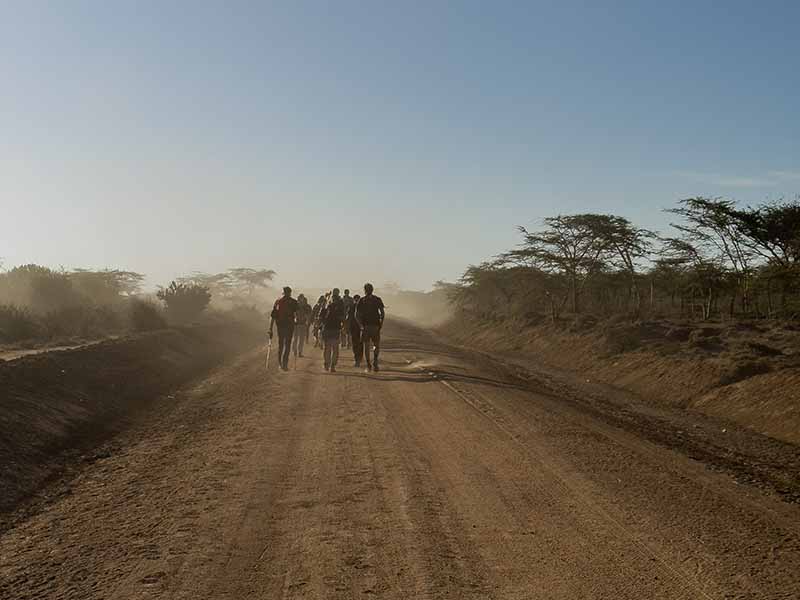
Each year, a Dutch charity group chooses a demanding challenge. In 2025, the plan followed old walking routes between the Mara plains and the Loita Hills — a hundred kilometres of movement, purpose, and shared effort.
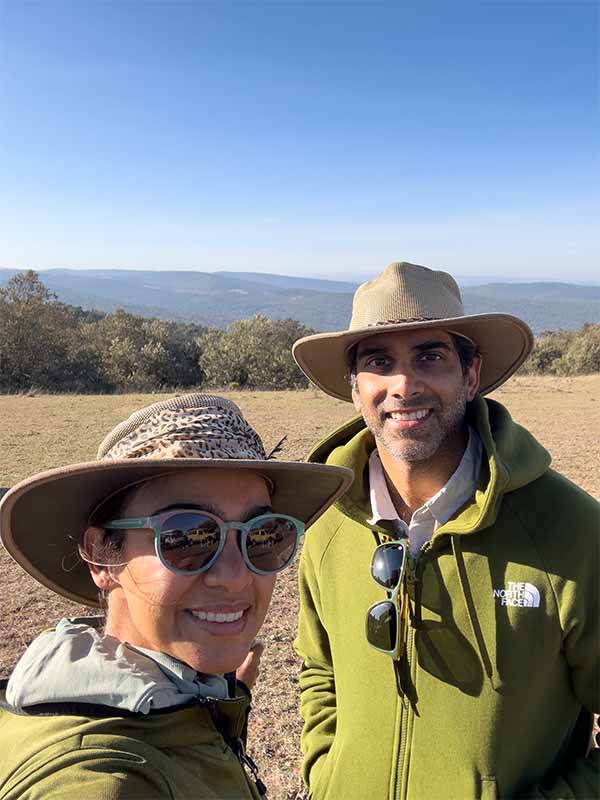
The Ahnasa team worked with some amazing partners to design the route and logistics. Phera and her husband Ravi joined to walk the route, support where needed, and understand what it really takes to cross this landscape on foot.
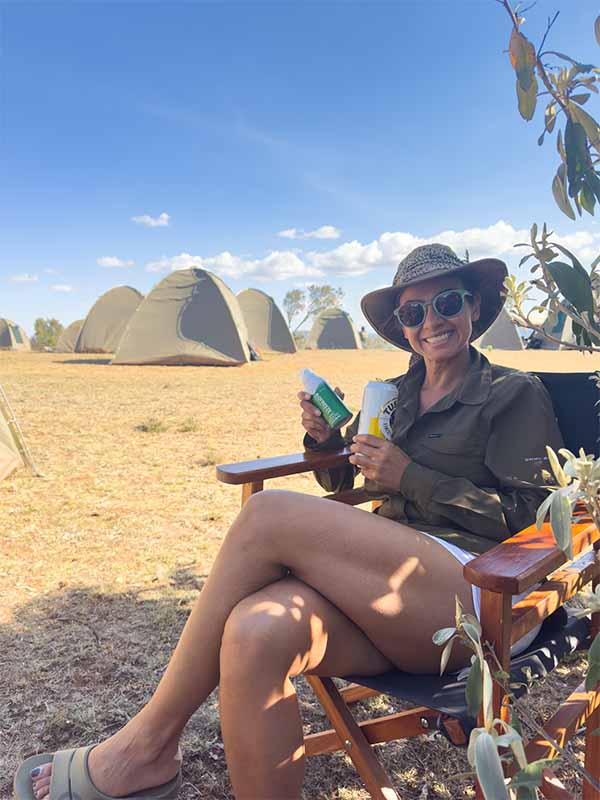
We flew into Encounter Mara a day early — just the two of us — and immediately slipped into that gentle rhythm camps in the Mara do so well. Instead of thinking about logistics, we strolled through the camp, sat on the deck and enjoyed a cold Tusker beer and listened to birdsong while we watched the light change across the plains.
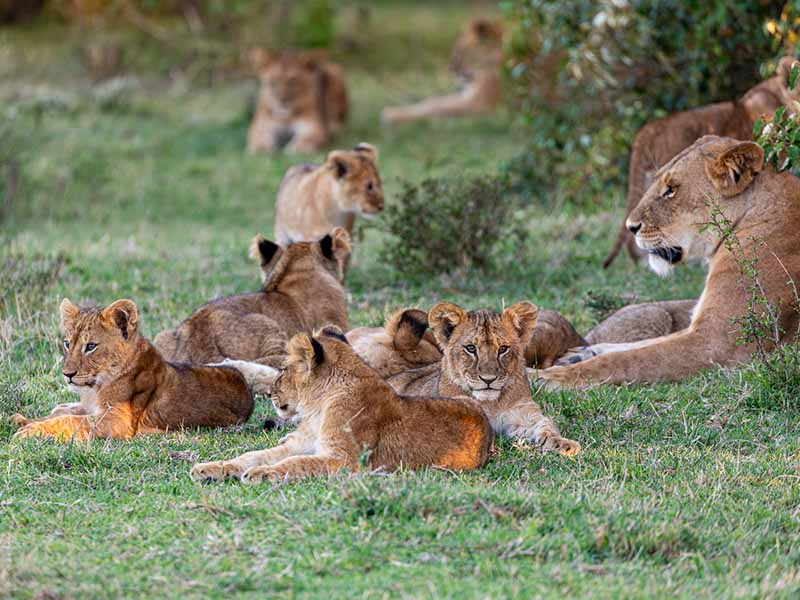
That first afternoon set the tone in a quieter way — but the bush still delivered. As the light dropped, we found a massive pride of lions with cubs scattered across the clearing, followed the next morning by two impressive males on patrol and a huge male leopard, known locally as Mkubwa, slipping across the track. Coffee in hand, it felt like the perfect reminder: the walk ahead would be about movement and effort — but we were still very much in wild country.
Life on trek — A Moving Camp
We met the group at Pardamat Conservancy, shared a quick briefing and our first meal together, and took those first steps — and from there, the rhythm of life on trek began.
From the first few kilometres, the rhythm became clear.
Mornings began before sunrise:
tea & coffee, a hearty breakfast & our daily briefing
refill bottles and check boots and tighten laces
tape blisters and plenty of sunscreen
get those legs moving
Meanwhile, the camp team leapfrogged ahead with vehicles and built camp for the night.
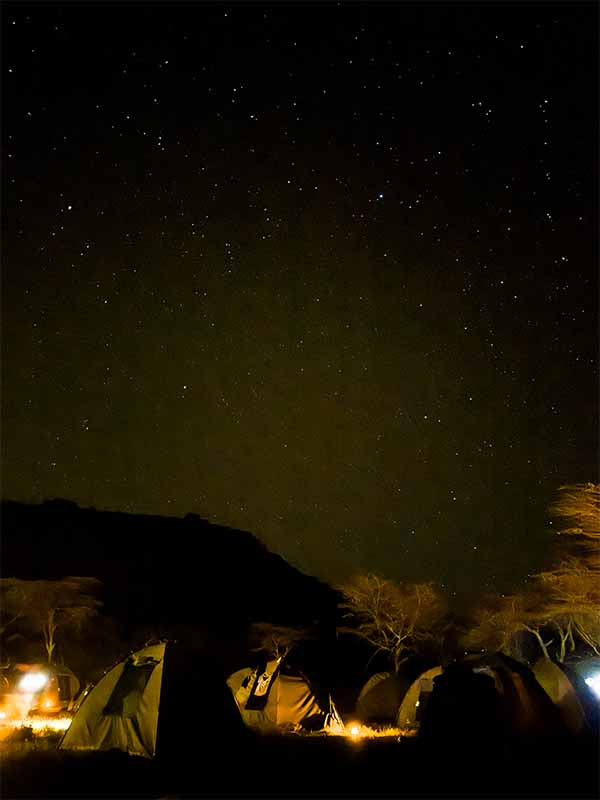
By the time we arrived each afternoon, camp felt like it had grown out of the landscape:
fly-tents set in clean rows
a kitchen tent alive with woodsmoke
hand-wash basins outside each line of tents
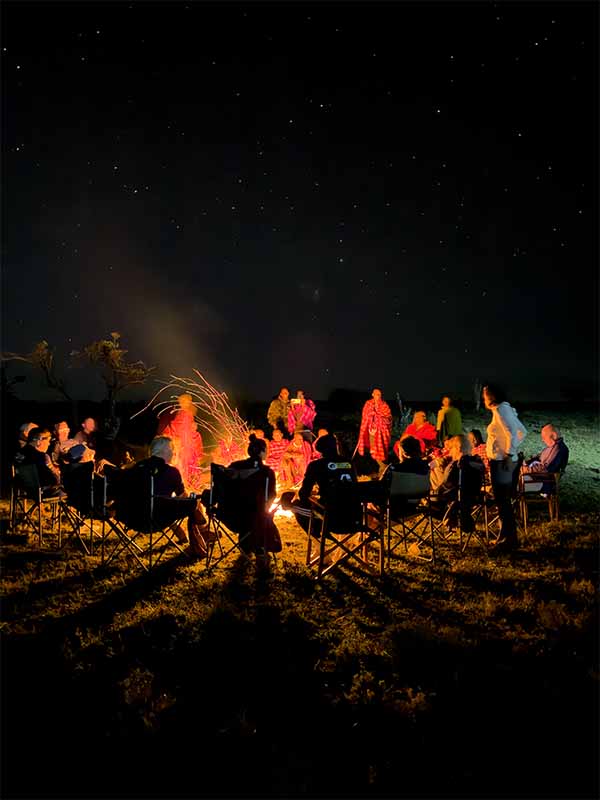
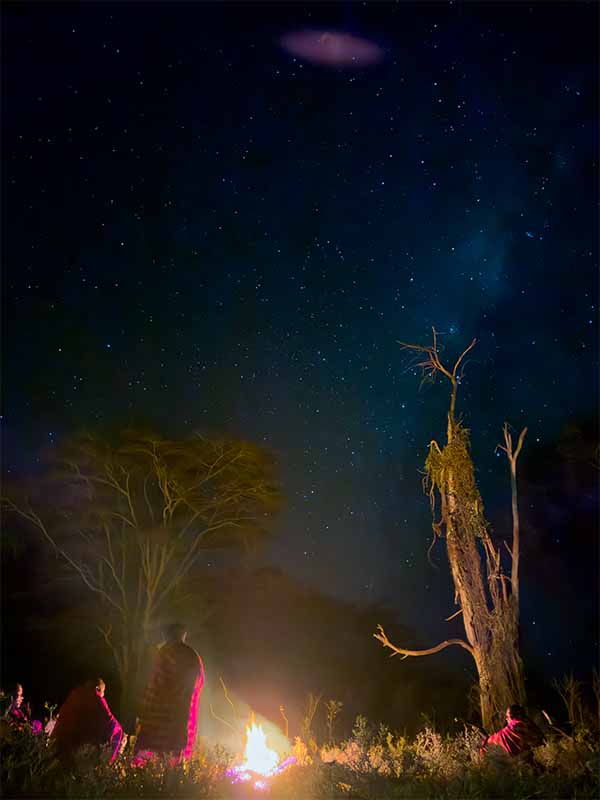
a central fire where evenings gathered
shower and bathroom tents freshly set up — with fire-boiled hot water ready to wash away the days sweat.
For forty people, it was an enormous logistical undertaking — yet it ran like a well-oiled machine.
Lunch stops became small miracles: a tarp rigged for shade, stools unfolded, fruit and the lunch of the day appearing as if from nowhere. Thirty minutes of relief, then back to the trail.
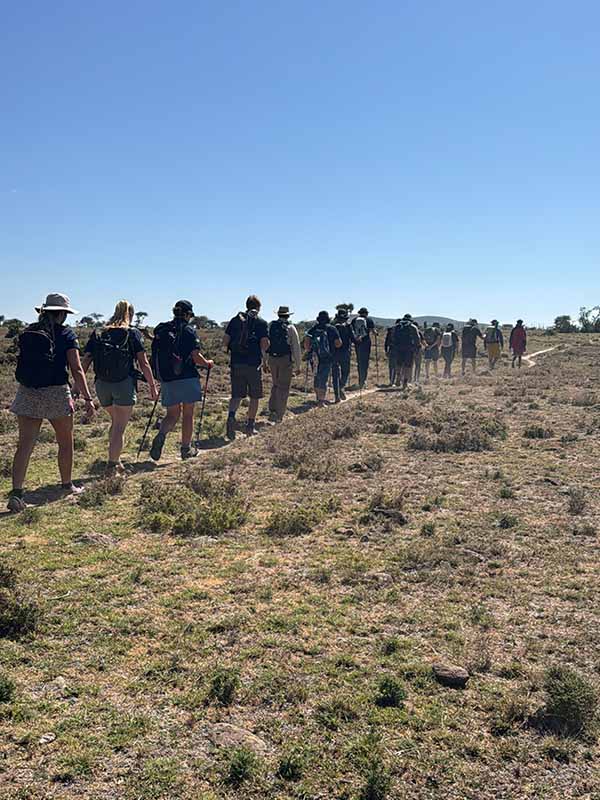
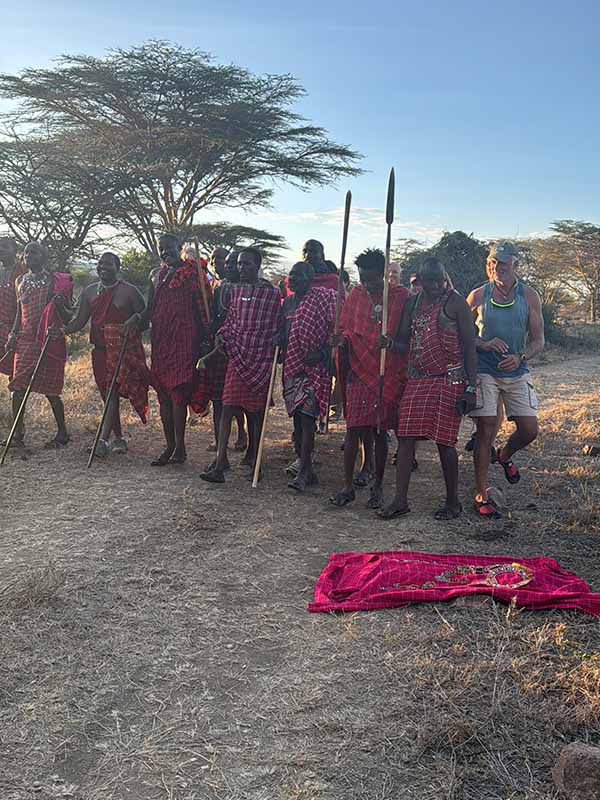
We also walked with a team of Maasai escorts — quiet, steady, deeply at home. They set a rhythm that was patient rather than heroic, and their presence grounded the journey with context and care.
The Route — Five Days on Foot
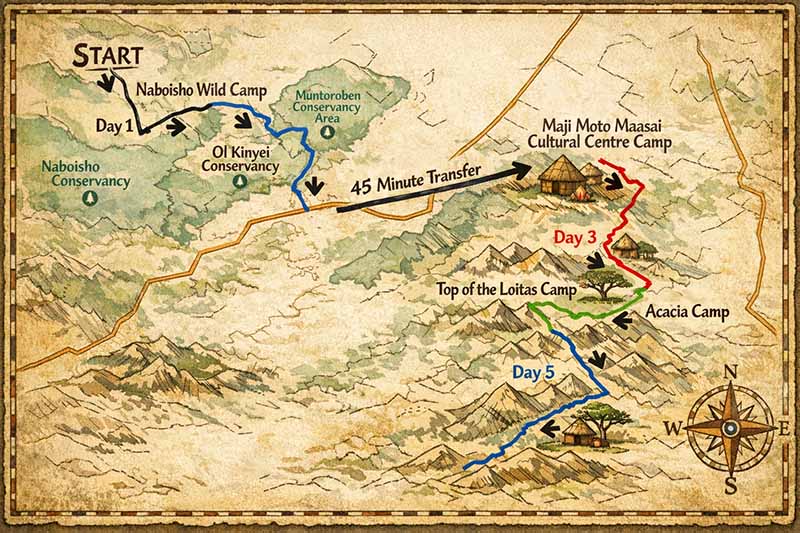
This wasn’t just a straight line on a map. The route stitched together different worlds — conservancy grasslands, dusty farm tracks, Maasai grazing country and the rising shoulders of the Loitas — each day with its own rhythm, terrain, and challenge. Distances added up quietly, and the landscape changed underfoot in ways you only notice when you’re moving through it step by step.
Day 1 — Pardamat → Ol Seki River Campsite
Our introduction was gentle: a half-day walk easing us into the rhythm, weaving along the foothills toward the Ol Seki River. We passed scattered settlements, grazing cattle and broad views toward the forests ahead. Lunch under the trees set the tone — simple, picnic-style, and unhurried — before finishing the final kilometres into camp at the edge of the forest. First fires, first bucket showers, and the realisation that life really does shrink beautifully to what you can carry.
Day 2 — Ol Seki River → Main Road → transfer → Maji Moto Eco Camp
An early start and a steady climb. The temperature cooled as we gained height, following old Maasai trails into thicker woodland. Breaks meant snacks, stories, and the first sense of altitude. By late morning the route opened up and the heat returned, the final stretch spilling us onto the main road where vehicles whisked us the last part to Maji Moto. A welcome shift in rhythm: hot springs nearby, campfires, and big skies.
Day 3 — Maji Moto → Enkiu (Loitas)
Now properly in the hills, we pushed deeper into forest country. The trail rolled and twisted, shaded in sections, exposed in others, with views opening dramatically to the south. Along the way our Maasai escorts pointed out plants still used as medicine and everyday tools. By the time we reached Enkiu, the Loitas no longer felt distant — we were inside them.
Day 4 — Enkiu → Iretet (top of the Loitas)
The toughest day for many — longer, steeper, and more exposed. We followed rivers, crossed sandy gullies, then climbed onto the high shoulders of the range. Wind carried the smell of forest and smoke, and every stop came with views that stretched across the Mara and Serengeti. Camp sat high on the ridge, tucked among acacias, a welcome patch of shade after a long, honest day.
Day 5 — Iretet → Ildungisho Shopping Center
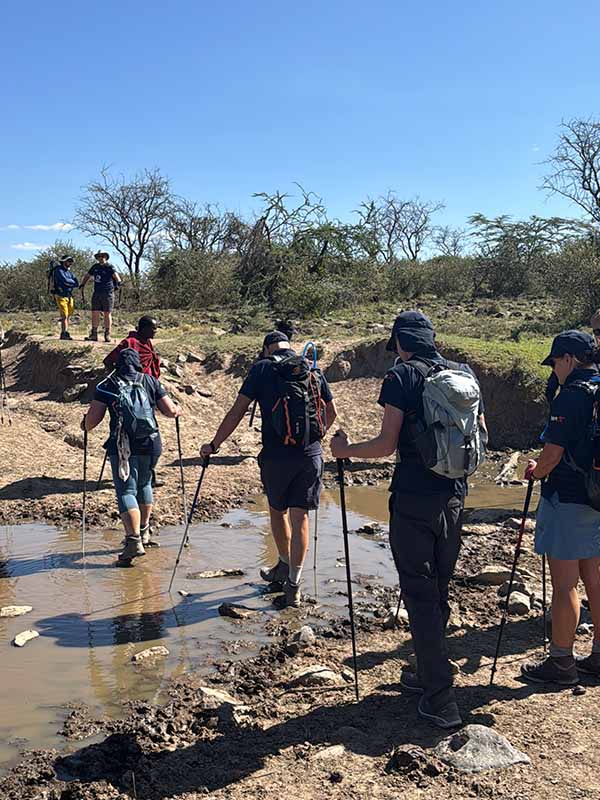
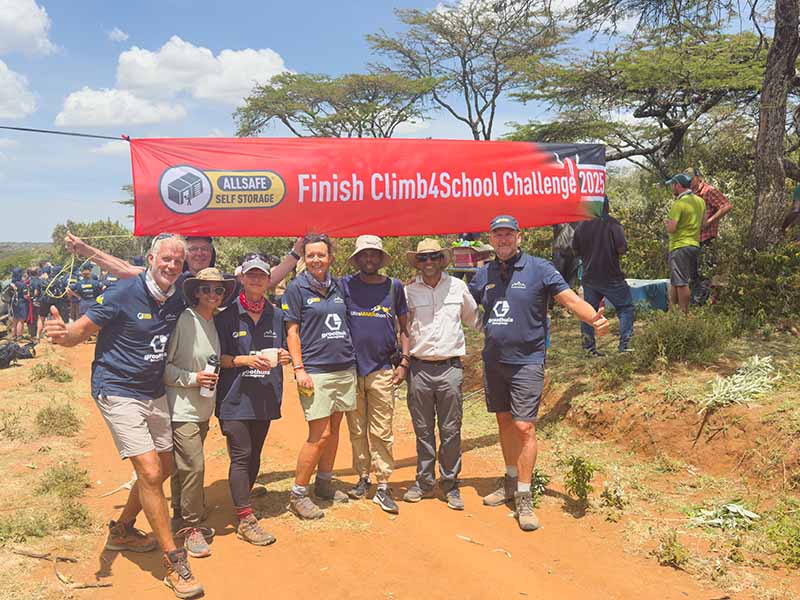
A slow westward descent, threading through gullies and river crossings. With every kilometre, the horizon widened — glimpses of the Mara and the plains beyond. Conversation grew lighter, feet a little heavier, and there was an unspoken mix of pride and relief as the track finally delivered us to Ildungisho. Handshakes, photos, and a quiet understanding: this was the end of the walk, and the beginning of everything we’d take home from it.
And that’s when the next adventure began.
The road to Naboisho — chaos, laughter, and relief
At Ildungisho, the group scattered in different directions — goodbyes, hugs, and then everyone melted back into their own plans. For us, the journey wasn’t finished yet.
We were dropped at Ngoswani, climbed into a dusty Probox headed toward Nkoilale, and bumped our way along back-roads with tired legs and big smiles. It felt chaotic and faintly ridiculous — but also exactly in keeping with the spirit of the week.
From Nkoilale, Daniel from Asilia met us, and suddenly everything smoothed out again. The landscape opened, the conservancy unfolded, and the wildlife returned to the centre of the story.
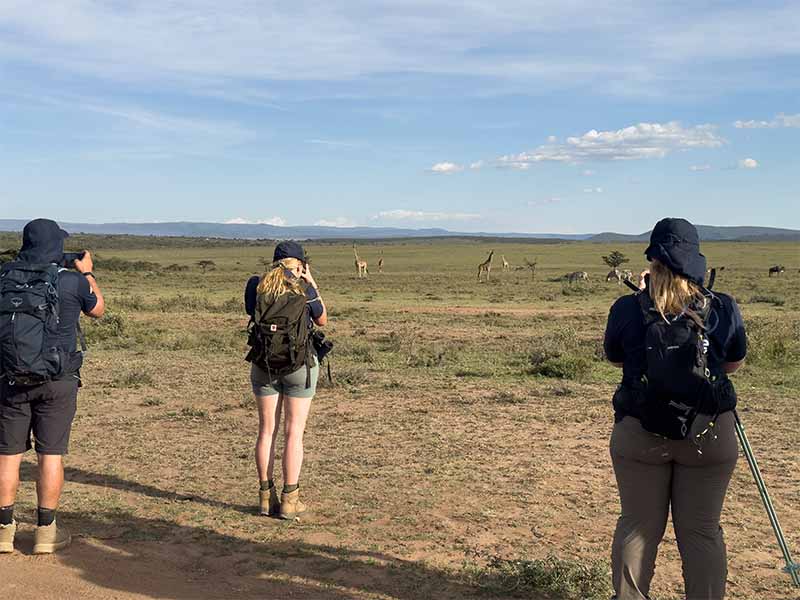
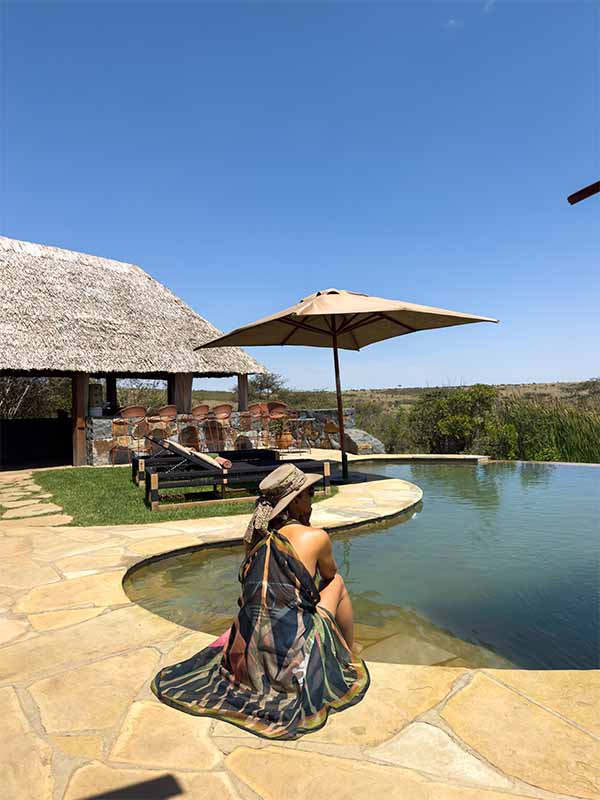
Rolling into Naboisho felt like exhaling: elephants in the distance, giraffe moving through the acacias, birds everywhere — and then the small luxuries that land differently after days on foot:
cool towels
a proper hot shower
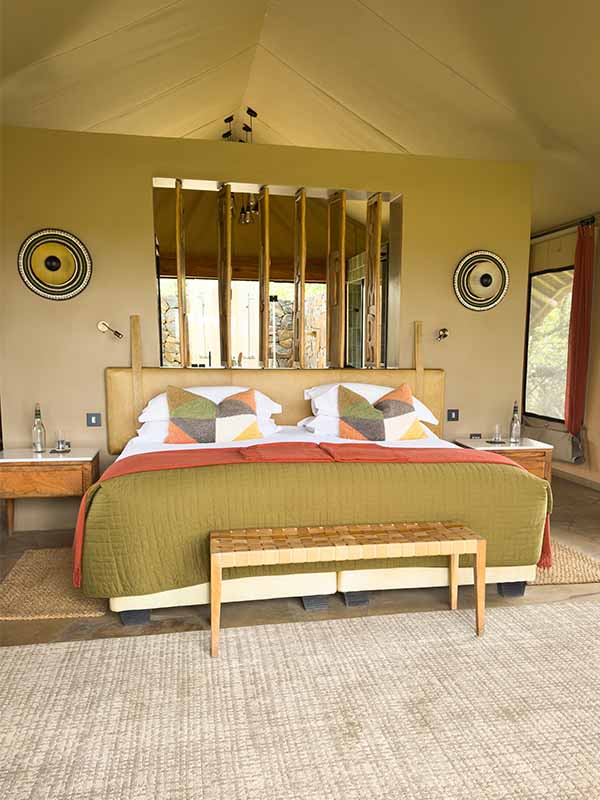
clean clothes and a soft bed
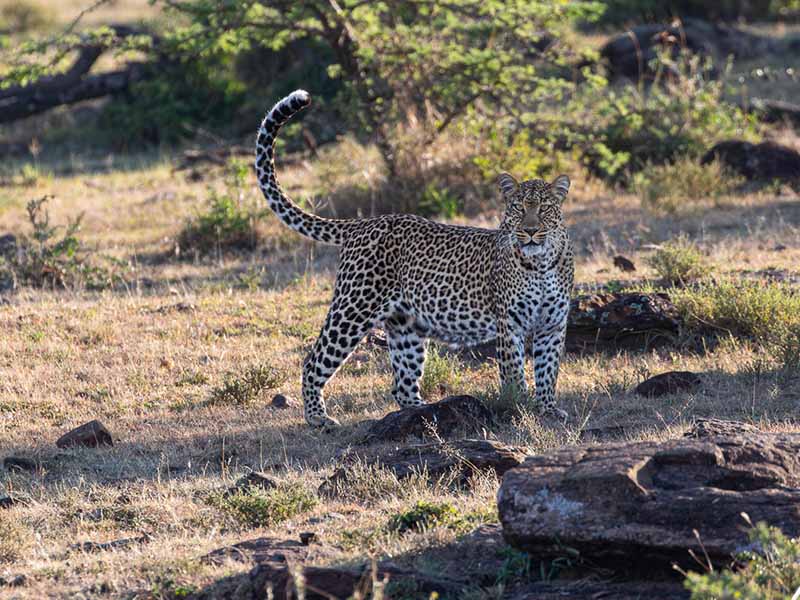
Dinner tasted like a reward, and sleep arrived instantly. Over the next two days, we eased back into safari at a gentler pace — including a long, absorbing morning shadowing Sankwet, the resident leopardess, as she wove quietly through the luggas and bushes. There were sunrise drives with soft light on the plains, long moments with elephant herds, and wide loops following tracks that told their own stories. Afternoons brought giraffe threading through the acacias, jackals slipping along the roads, and unhurried pauses at waterholes to simply sit and watch the conservancy breathe again.
Why Journeys Like This Matter
This wasn’t about chasing records. It was about moving slowly across meaningful landscapes, pushing a little past comfort, working with the right partners, and supporting something bigger than the trip itself.
For us at Ahnasa, it reinforced that expeditions don’t have to be extreme — they simply need to be intentional, well-designed, safe, and human.