Ahnasa & Wild Survivors: A Shared Commitment to Conservation
Wild Survivors operates on the frontline of elephant conservation and community development across Tanzania. Their mission is bold yet beautifully simple: to prevent human–elephant conflict by placing local people, especially women, at the heart of conservation solutions.
Where elephants and communities struggle to share space, Wild Survivors works to restore balance—protecting threatened elephant corridors while strengthening livelihoods, food security, and long-term economic resilience.
The Urgency
Across Tanzania, elephants face growing pressures—not only from poaching, but from shrinking and fragmented habitats. As climate change places growing pressure on rural livelihoods, farmers are increasingly forced to expand their land in search of reliable water and fertile soil. This expansion often cuts through ancient elephant migration routes, pushing elephants to move through village farmland in search of food and water—risking lives, destroying crops, and driving communities to respond out of fear and economic desperation.
This conflict is now one of the greatest threats to elephant survival across Africa. To solve it, conservation must go beyond fences and enforcement; it must begin with people, opportunity, and equity.
The Wild Survivors Approach
Wild Survivors addresses the root causes of elephant conflict through a holistic, science-informed model that integrates behavioural ecology, community knowledge, and sustainable enterprise.
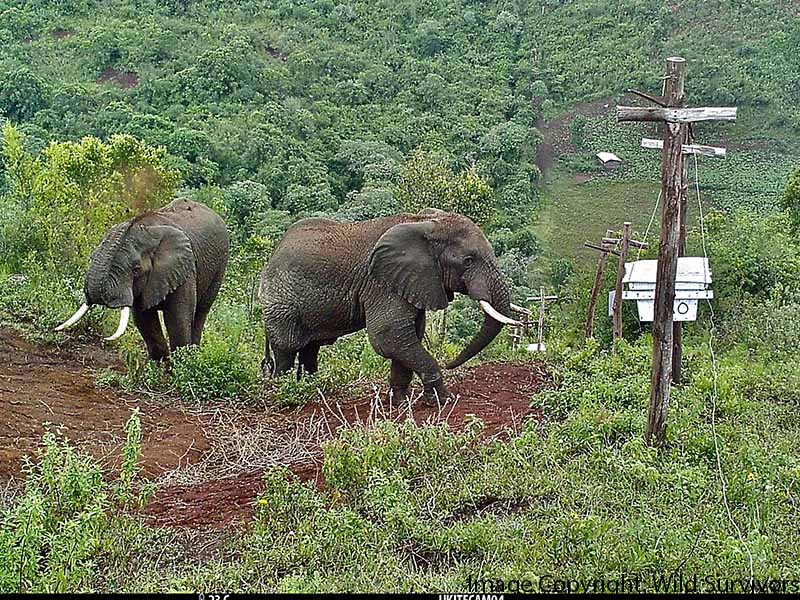
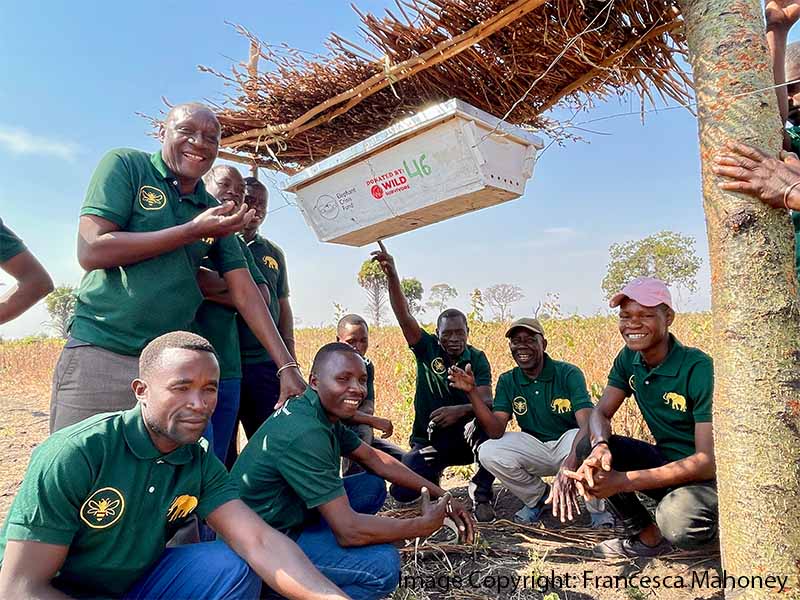
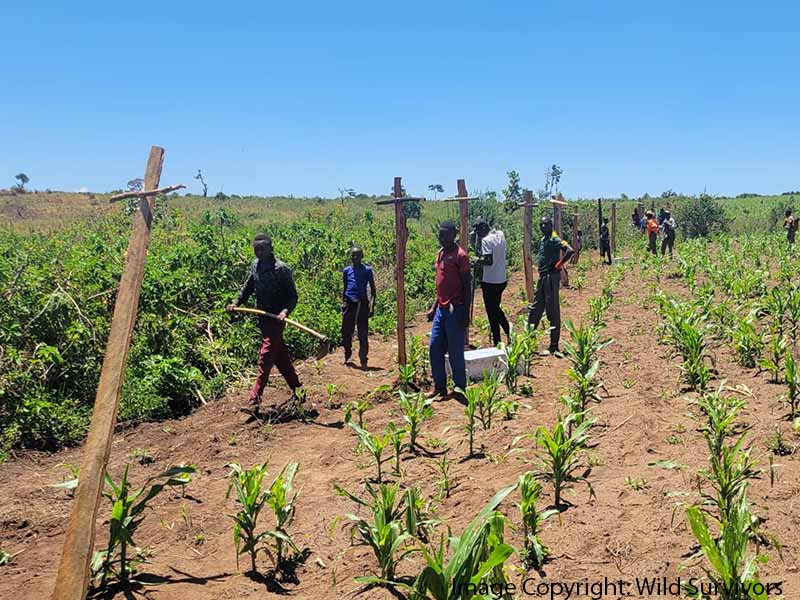
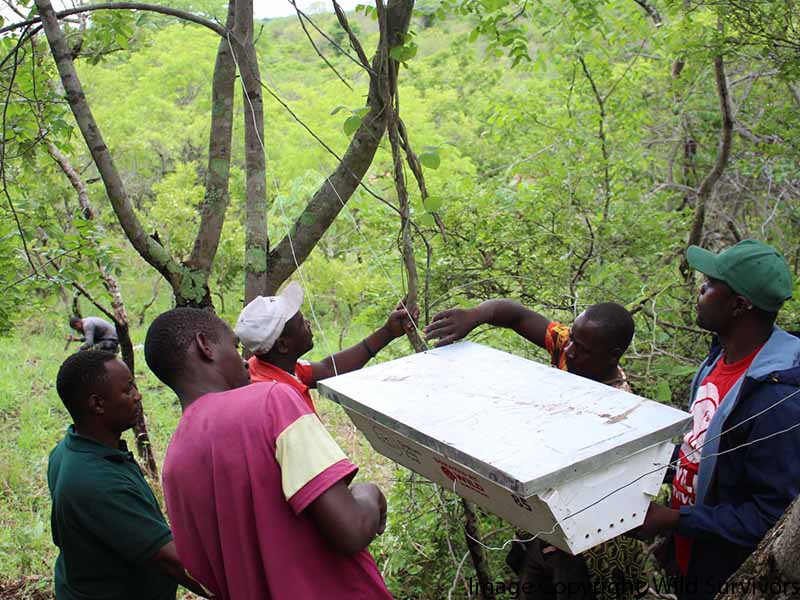
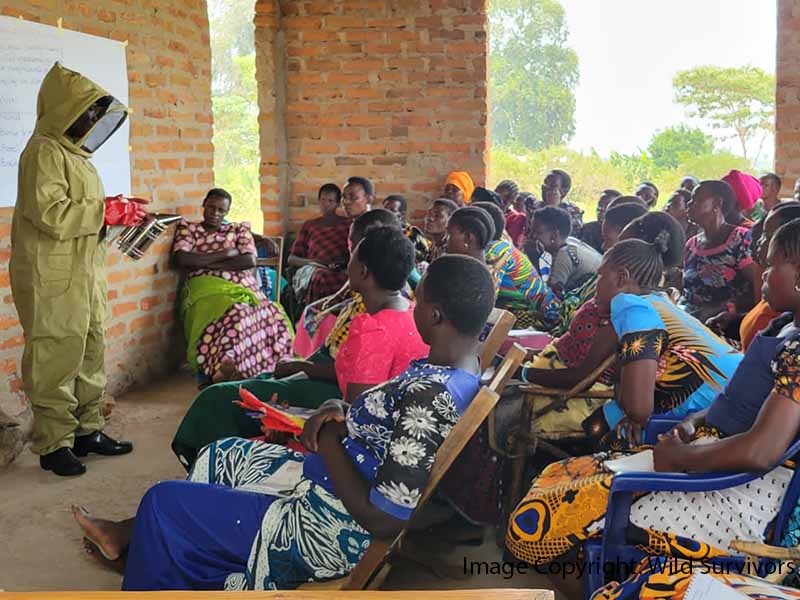
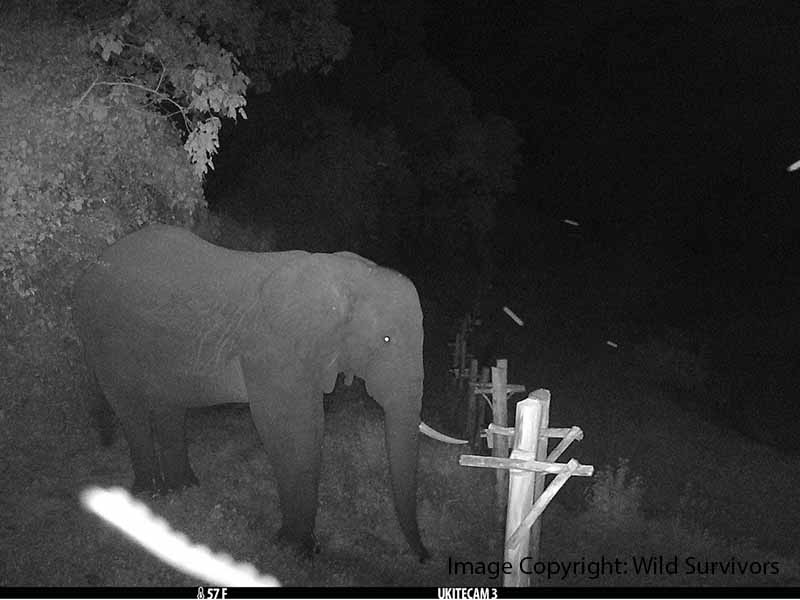
Farmers are trained in practical coexistence techniques such as beehive fences and chilli deterrents, which provide natural, non-violent protection for crops while producing honey as a sustainable income source. Participatory mapping and biodiversity monitoring strengthen community stewardship of elephant habitats and corridors.
Wild Survivors approach is guided by the understanding that elephants are intelligent, socially complex animals whose behavioural patterns can inform more effective coexistence strategies. By combining ecological data with community insight, locally adapted systems are designed that improve safety, restore degraded land, and build shared prosperity.
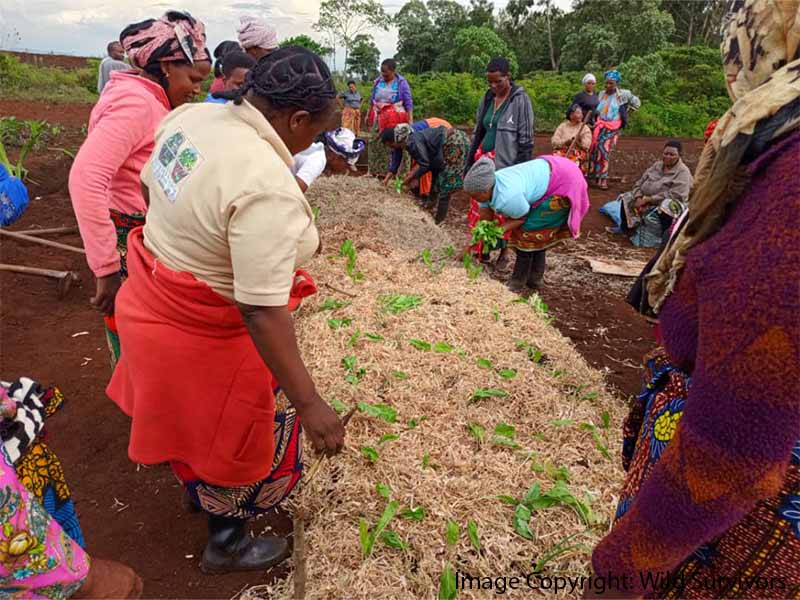
Women play a leading role in this transformation. Through beekeeping cooperatives and regenerative farming, they are developing circular enterprises that strengthen food security, diversify incomes, and ensure conservation benefits are shared by all. This model works because it is built from within—locally designed, locally led, and culturally rooted. Every voice matters, every decision is shared, and every success belongs to the community.
Why It Works
Locally rooted & community-owned solutions
Women-led enterprises that build resilience and equity
Science-based tools informed by elephant behaviour
Proven impact—some communities report up to a 90% reduction in crop raids, fewer retaliatory incidents, restored land, and over 248 women empowered through sustainable business
Where the Work Happens
Ngorongoro Ecosystem
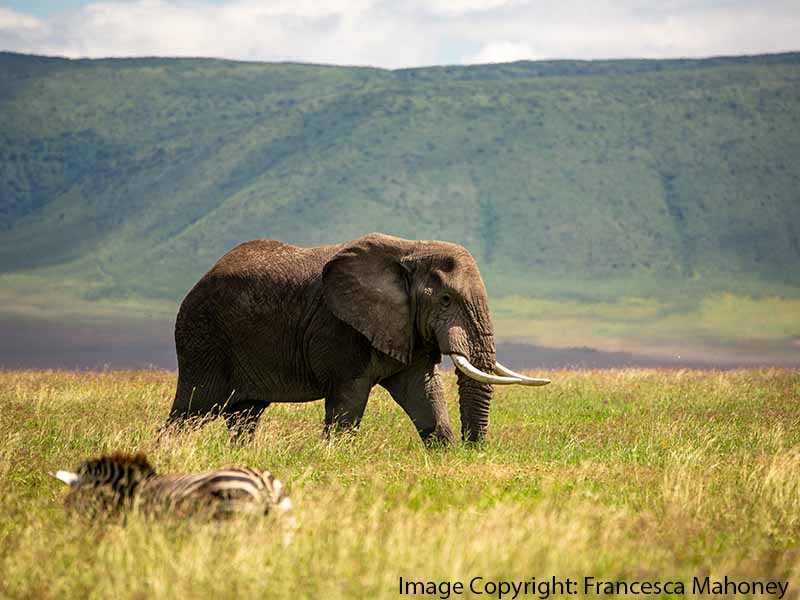
In the highlands of northern Tanzania, Wild Survivors works with Iraqw communities to protect the Upper Kitete elephant corridor—one of the last remaining intact movement routes for elephants in the north. The programmes include training farmers in natural deterrents such as beehive fences, and establishing the flagship women’s beekeeping and permaculture enterprise, which improves food security while sustaining the long-term maintenance of coexistence fences. Wild Survivors also run wildlife clubs in six schools, providing interactive learning experiences focused on wildlife safety and conservation projects, inspiring the next generation to protect wildlife and live in harmony with nature.
Serengeti Ecosystem
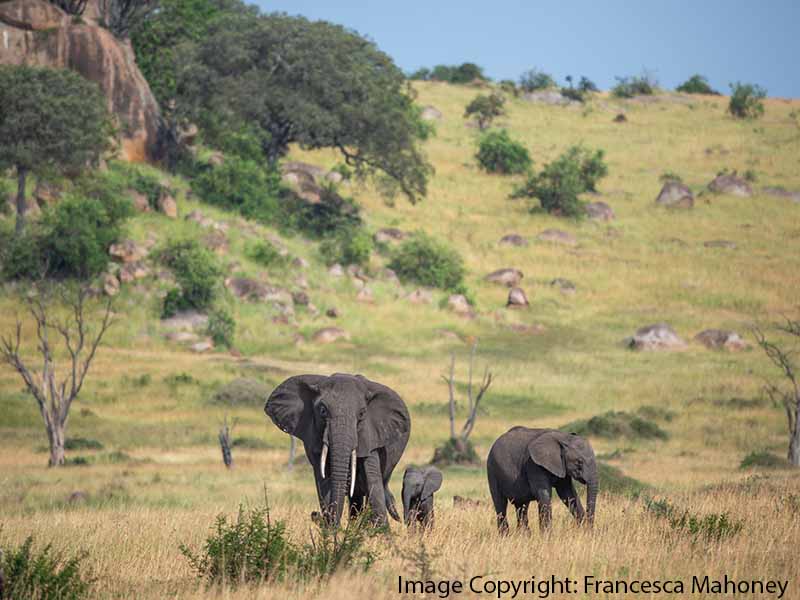
Along the western boundary of Serengeti National Park, Wild Survivors work with Maasai communities to support frontline farmers using beehive fences and a network of women’s groups managing apiaries. Together they have established a permaculture garden and an enterprise hub that creates sustainable livelihoods and connects local conservation action with tourism partners who share their commitment to coexistence.
Rukwa–Katavi Ecosystem
In western Tanzania’s vast and remote landscape linking Katavi, Lwafi, and Mahale ecosystems, Wild Survivors are scaling their model through beehive and chilli fences, and a network of women beekeepers managing apiaries. Participatory mapping, biodiversity monitoring and ToT training, support Katavi National Park, Mpimbwe WMA, Lwafi and Rukwa Game Reserves in addressing human-elephant conflict and preserving vital connectivity across the Katavi–Mahale corridor.